A spectacle in the summer night sky
Origin, formation, research and photography of the highest clouds in our atmosphere
report by Thomas Grunge, March 2026
First interest in atmospheric phenomena
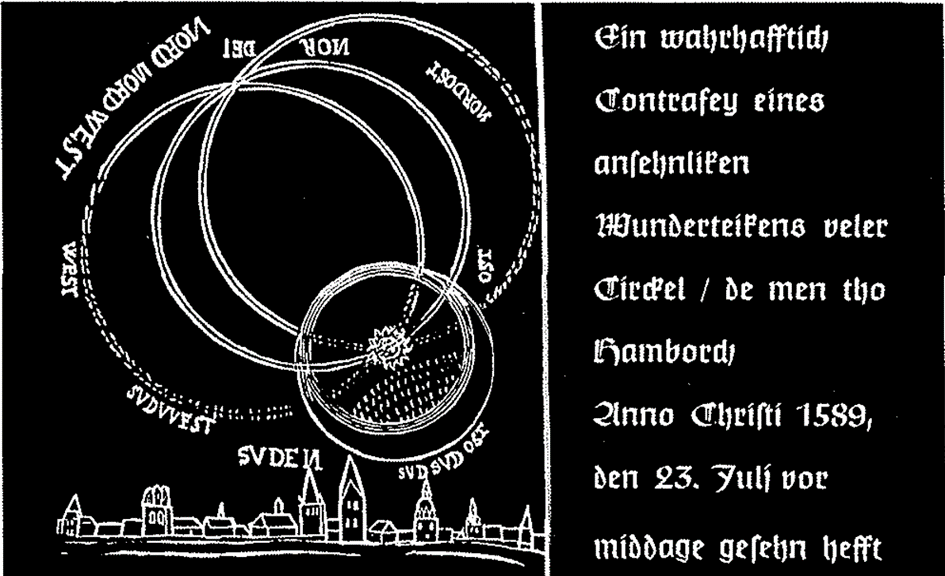
While the sun, moon, planets and stars have been the subject of research for several thousand years, the atmosphere was the place where all the "frightening miracles" occurred that could be important for human existence and were therefore unquestionable for research (Fig.1).
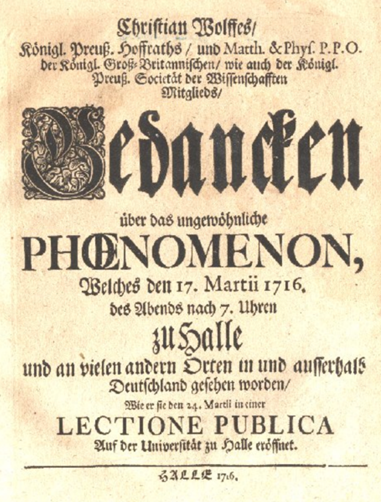
This view only gradually changed in the 18th century due to unusual auroras (Fig.2).
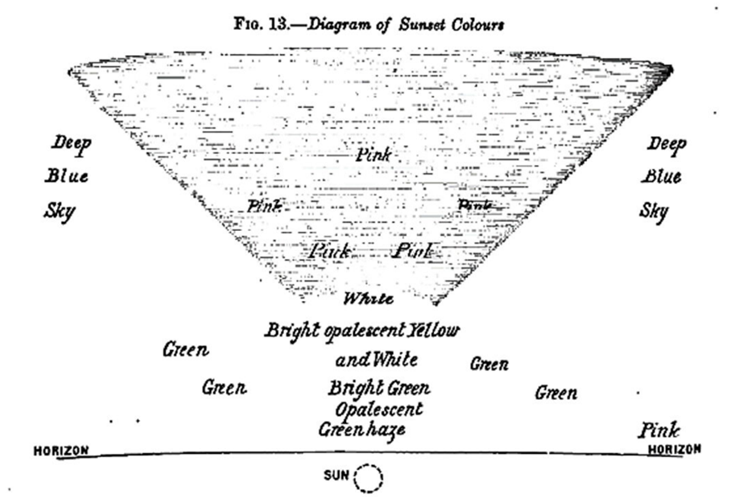
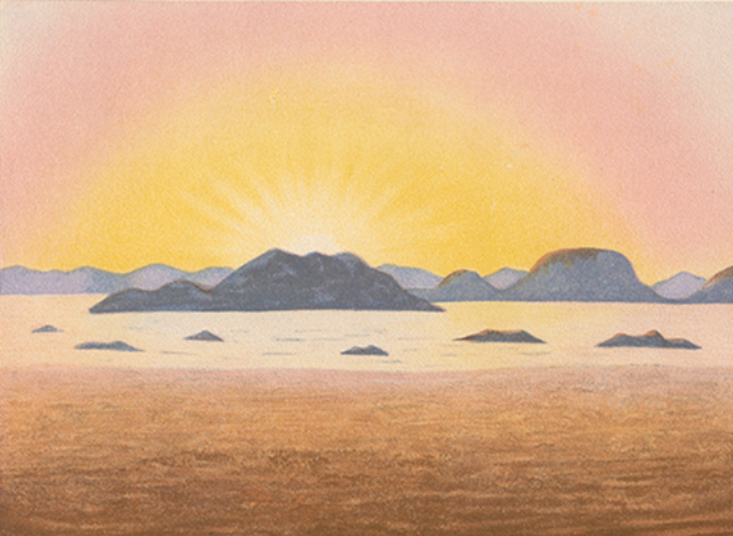
In the following century, due to the aftermath of the Krakatoa eruption from autumn 1883 onwards, there were striking twilight phenomena worldwide, as a result of which conclusions could be drawn about the global atmospheric circulation (Fig.3, Fig.4).
First investigations of the upper atmosphere
In June 1885, silver clouds were described for the first time in the twilight area by the Englishman Backhouse in Bad Kissingen. They may have been seen before, but must have been described as auroras, meteor tails, amplified night sky light (zodiacal light) or similar.
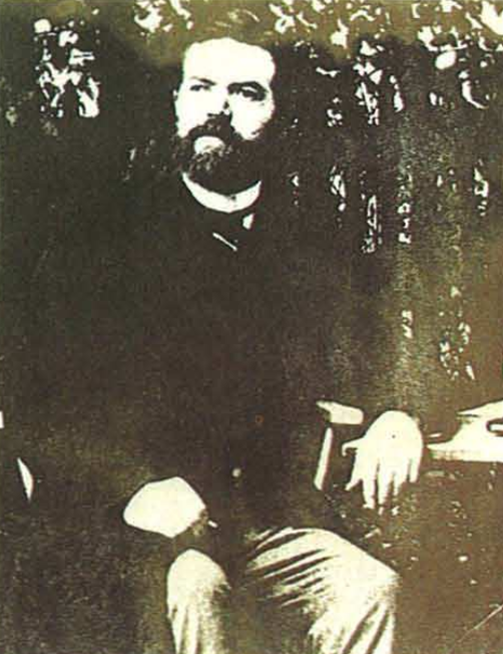
The Berlin astronomer Otto Jesse (1838 – 1901) (Fig. 5), who had already worked on the altitude determination of clouds and the aurora, was interested in these previously unknown phenomena. He began in 1883 at the Berlin Observatory, which was then headed by Wilhelm Foerster. with the collection of all known observations. Shortly afterwards, Jesse published a first summary of these clouds and suspected that this must be a highly unusual phenomenon. In any case, the first rough calculations showed that the silver clouds occur at altitudes where it was not previously known that the Earth's atmosphere extended there.
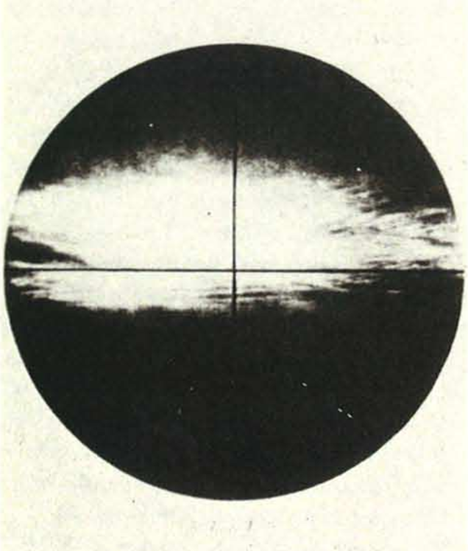
From 1885 onwards, the Berlin Programme of High Atmosphere was launched. The decisive factor was the use of the newly developed photography in conjunction with telephony, which was used to take pictures of clouds at different locations at the same time.
Already the first measurements showed that the noctilucent clouds occurred fairly constantly at an altitude of 82 km.
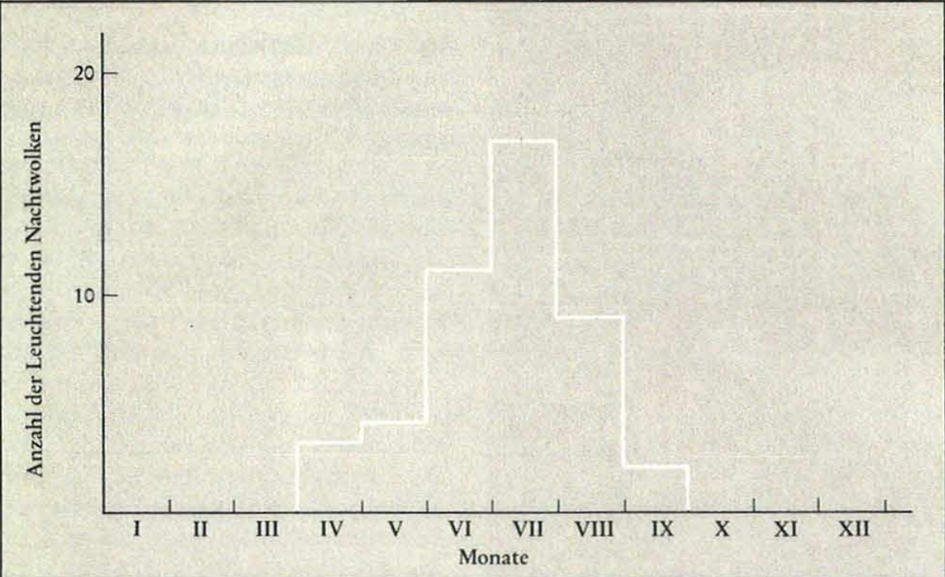
Furthermore, it was shown that in the northern hemisphere noctilucent clouds could only be detected during the summer months of May-August, but they could not be seen every night (Fig.7).
Jesse found that luminescent clouds showed strong internal speed changes of up to a few hundred kilometers per hour.
Further research
Jesse saw the Glowing Night Clouds as a kind of indicator of certain high-atmospheric processes.
Others discussed the hypothesis of a cosmic origin, such as the Tunguska event of 1908 or the passage of Halley's Comet in 1910/10. In both cases, anomalously bright nights were observed, during which noctilucent clouds occurred.
Further considerations concerned the causal relationship with the permanent meteor showers, or dealt with the question of the extent to which the micrometeoritic substance in the mesopause region could contribute to the formation of the Luminous Night Clouds. As early as 1934, Vestine had compared the occurrence of luminous noctilucent clouds with the rate of meteor showers in a comprehensive study and found out that causal relationships could exist. [8]
In 1912, Alfred Wegener came to the conclusion that these clouds consisted of condensed water vapor in ice form [7], which had entered those atmospheric layers with the Krakatoa event.
The idea that these are ice clouds that form at condensation nuclei (for example as a result of the deposition of micrometeoritic dust particles) has persisted to this day.
Summary
The discovery of the noctilucent clouds one hundred years ago paved the way for the physics of the upper atmosphere: With a combined research program (visual/photographic monitoring), Otto Jesse and his colleagues succeeded in gaining detailed knowledge for the high atmosphere for the first time. To date, it is known that they occur in the northern hemisphere during the summer months of June – July/August, that their height is almost constant at 82 km, that the observed wavelengths range from a few to a little over one hundred kilometres and that the thickness of a layer of nocturnal clouds is about 0.5 – 2 km. What is striking in the occurrence of the noctilucent clouds is the dependence on the large-scale change dates of the circulation in the upper atmosphere (spring/autumn). A generally accepted explanation of the phenomenon of luminous noctilucent clouds, which came into the field of view of research as "silver clouds" one hundred years ago, still does not exist today.
Shooting with your own camera
Noctilucent clouds can be photographed with a simple camera. Here are a few examples taken with your own equipment:
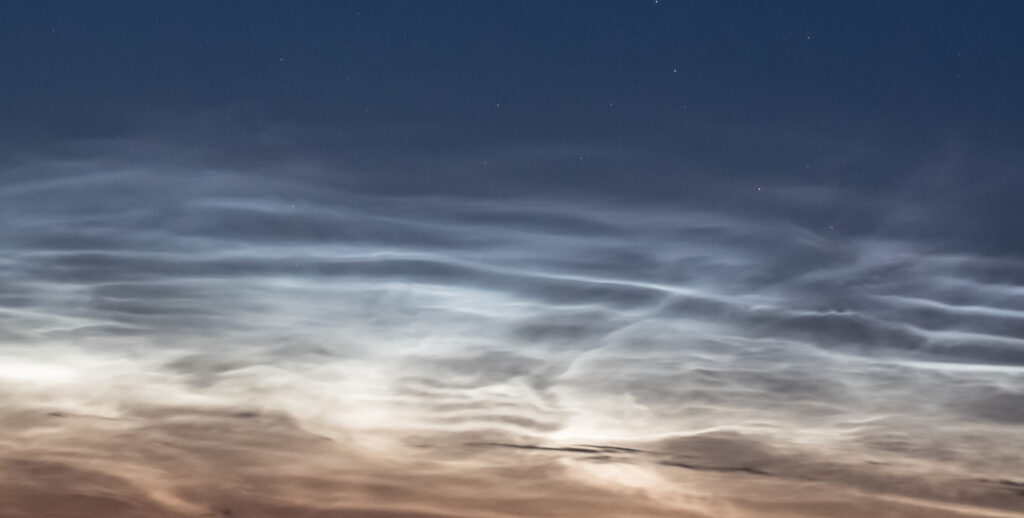
Canon EOS750Da, 8s/ISO800/F:4/200mm
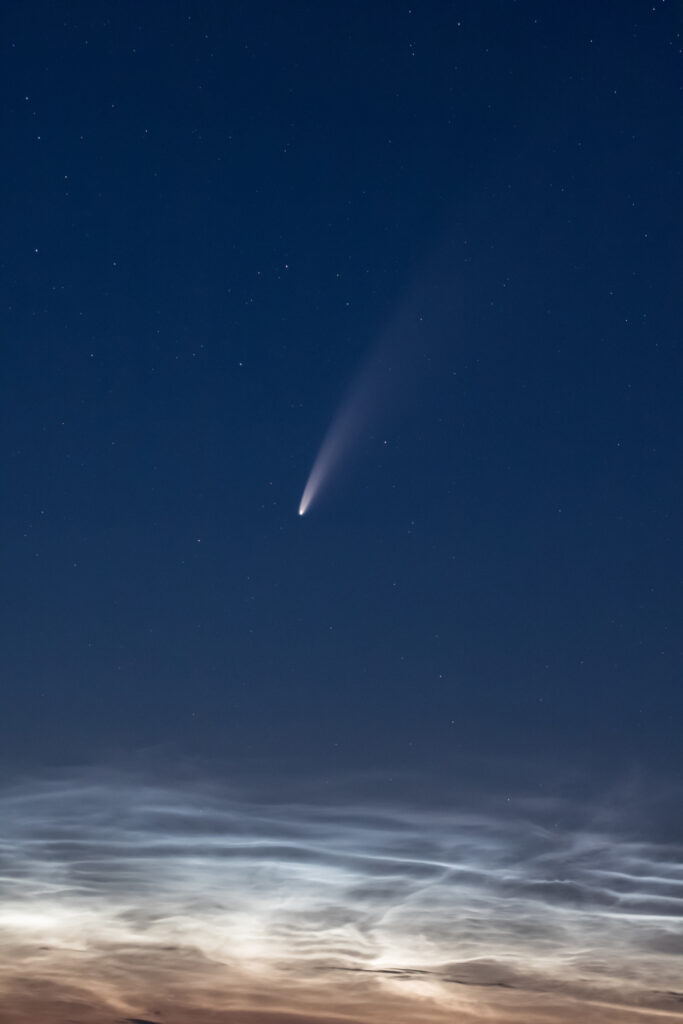
Canon EOS750Da, 8s/ISO800/F:4/70mm
Canon EOS750Da, 52x20s/ISO800/F:4/70mm
Canon EOS750Da, 64x5s/ISO800/F:4/200mm
Literatur
[1] M. W. Lomonossow: Ausgewählte Schriften in zwei Bänden, Band II: Naturwissenschaften, Akademie-Verlag, Berlin 1961, 243.
[2] W. Schröder. Der Krakatau-Ausbruch vor 100 Jahren; Geowissenschaften in unserer Zeit 1 (1983) 155.
[3] M. Gadsden: The earliest observations of noctilucent clouds, W. Schröder (Hrsg.): Historical events and people in geosciences. P. Lang, Bern/Frankfurt am Main 1985, 131.
[4] Kießling Johannes, Untersuchungen über Dämmerungserscheinungen, Hamburg und Leipzig Verlag von Leopold Voss, 1888.
[5] F. S. Archenhold: Die leuchtenden Nachtwolken und bisher unveröffentlichte Messungen ihrer Geschwindigkeit; Weltall 27 (1928) 137.
[6] W. Schröder: Zur jährlichen Häufigkeit der Leuchtenden Nachtwolken; Meteorol. Rdsch. 19 (1966) 91.
[7] A. Wegener: Die Erforschung der obersten Atmosphärenschichten; Gerlands Beitr. Geophys. 11 (1912) 102.
[8] E. H. Vestine: Noctilucent clouds; J. Roy. Astron. Soc. 28 (1934) 249
[9] Geowissenschaften in unserer Zeit 1 3. ]ahrg. 1985 1 NI‘. 6 0723-0834185/O611-0198 $ 02.5010
© VCH Verlagsgesellschaft mbH, D-6940 Weinheim
